
DERBY DAY INTENSITY
The Most Intense Derbies in World Football: Where Football is Life and Death

Derby day. It’s not just a game; it’s a raw, visceral, city-wide spasm of history, identity, and so often agony. These are the matches where form holds no significance, tackles are executed with greater intensity, and a single goal can determine the course of an individual’s year. Forget the Champions League finals; this is where football’s soul truly bears its teeth. The term “derby” is used loosely, but proper footballing hatred is a distinct and powerful mix. It demands sharing a border, the clash of identity, and a history that all too often goes far beyond the game itself. These are not simply matches, but social pressure valves, cultural wars, and rites of passage.
Here are the most intense, combustible derbies in world football, where the stakes are always sky-high.
1. El Clásico - FC Barcelona vs Real Madrid
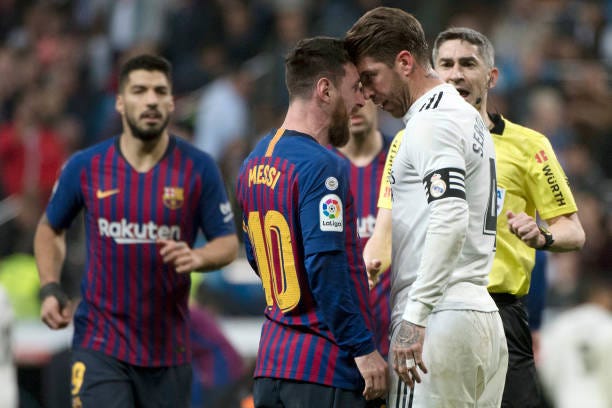
The biggest derby in the world isn't always the most violent, but its intensity is geopolitical. It’s Catalonia vs. Castile, regional identity vs. the central capital, often seen as a proxy battle for Spain’s soul. This is the most-watched club game on Earth because it is about more than football. The modern rivalry was forged during the Franco dictatorship (1939-1975), when Madrid was seen as the regime's "team of the state," while Barcelona became the symbol of suppressed Catalan identity and resistance. Even today, politics permeate every moment: the Estelada (pro-independence flag) waves at Camp Nou, and chants of "¡Viva España!" echo at the Bernabéu.
The rivalry is turbocharged by the competition for the world's best players. It has served as the battleground for the era-defining duel between Lionel Messi (Barca's homegrown genius) and Cristiano Ronaldo (Madrid's galactico icon). Each match is a referendum on two opposing philosophies: Barcelona's Cruyffista ideology of possession as identity vs. Real Madrid's pragmatism and star power. A loss isn't just three points dropped; it's a blow to an entire worldview.
2. The Old Firm Derby - Celtic vs Rangers
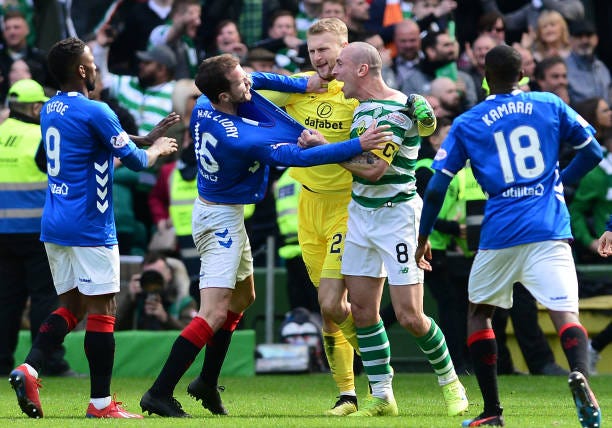
The undisputed king of sociopolitical derbies. This is Catholic tradition versus Protestantism, Irish heritage versus British unionism, and it’s all boiled down to a 90-minute soccer game. The noise at Celtic Park or Ibrox is religiously fervent. Wins are celebrated like military victories; defeats feel like existential wounds. It’s an atmosphere of pure, unadulterated electricity and often, palpable tension. Founded in 1887 by an Irish Marist brother to aid Glasgow's impoverished Catholic immigrant community, Celtic's identity is intrinsically linked to Ireland and Catholicism. Rangers, formed in 1872, became the club of the Scottish Protestant establishment. The divide is woven into the fabric of Glasgow.
On matchday, the songs tell the story. Celtic fans sing Irish rebel ballads like “The Fields of Athenry.” Rangers supporters (traditionally) sang loyalist anthems like “The Sash.” The ferocity is unmatched in British football. The “Ibrox Disaster” in 1971, which killed 66 Rangers fans, brought Celtic fans together to make huge donations to charity. This was a rare moment of unity that showed how deep the connection was, even in rivalry. The 2012 liquidation and rebirth of Rangers only added a new, bitter chapter of schadenfreude and resentment.
3. Derby della Madonnina - AC Milan vs Inter Milan
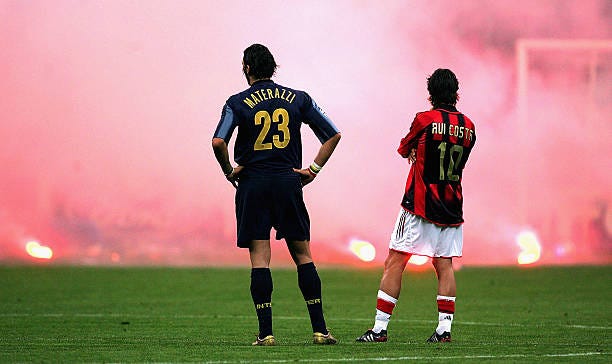
A shared stadium (San Siro), a shared city, but a divided history. This is a derby of contrasting souls: Inter (“Il Biscione,” the ambitious, internationalist club) vs. AC Milan (the traditional, working-class “rossoneri”). The tifos are works of art, the noise is deafening, and the rivalry is fueled by decades of trading domestic and European supremacy. A derby of pure Italian theater. The clubs were literally born from a schism. In 1908, a faction broke away from the Milan Cricket and Football Club (now AC Milan) over a desire to include more foreign players, forming Internazionale. Thus, the dichotomy was set: Milan (rossoneri) as the traditional, working-class club and Inter (nerazzurri) as the internationalist, bourgeois alternative. They share not just a city but also the same iconic stadium, which changes its skin color from red-and-black to blue-and-black.
Unlike many derbies, this is often a cold, tactical, and strategic hatred. It’s a battle for Milanese supremacy fought through legendary signings: from the Dutch trios of the 80s/90s to the sheikh-funded vs. owner-funded battles of the 2000s. The tifos are legendary, often mocking the other’s lack of European titles (”6 volte!“ chant Milan fans, referencing their Champions League wins). It’s a derby of style, prestige, and constant, calculated one-upmanship.
4. Cairo Derby - Al Ahly vs Zamalek
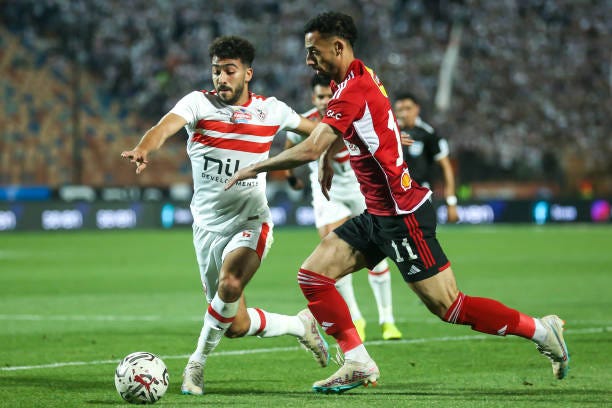
The Cairo derby is the most intense derby in Africa and arguably the most hostile on the planet. This is a clash of Egyptian titans where victory is a matter of life and death. The political power of both clubs adds a dangerous edge. The atmosphere is famously ferocious, with fireworks, relentless noise, and an emotion that goes far beyond sport. This is a genuine societal fault line. In a nation where football is the primary social outlet, this rivalry is all-consuming. Al Ahly (”The National”) was founded in 1907 as a club for Egyptians against British colonial teams, making it a deeply ingrained symbol of national pride and resilience. Zamalek (originally “Farouk Club”) was viewed as the club of the monarchy and, later, the elite. This creates a powerful dynamic of the people’s club vs. the king’s club.
The atmosphere is famously ferocious and politically charged. Both sets of ultras (the disbanded but influential groups) have been deeply involved in the political upheavals of the Arab Spring. Stadium violence has been severe. Games are often played behind closed doors or with intense military security. Winning isn’t for bragging rights; for many fans, it feels like a matter of social and even physical survival. The passion is absolute, raw, and often terrifying.
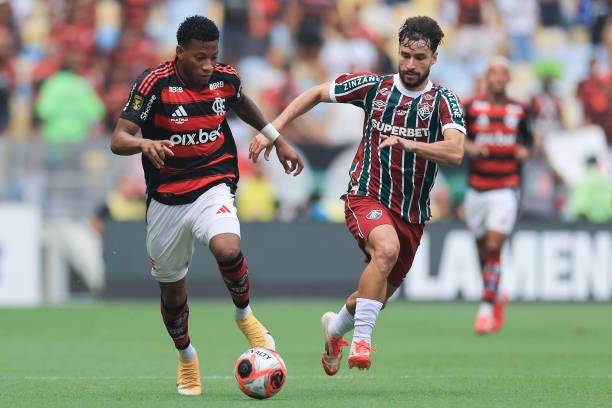
5. The Superclássico - Flamengo vs. Fluminense
Brazil’s most passionate fixture divides the Marvellous City. It’s a rivalry of class and identity: Fluminense (the “aristocrats”) vs. Flamengo (the “club of the people”). The spectacle at the iconic Maracanã, with 70,000+ screaming torcidas, is a breathtaking, samba-fueled cauldron of color, noise, and dizzying skill. The passion is absolute. This is a rivalry of class, color, and carnival. Fluminense was founded in 1902 by Rio’s white aristocratic elite. Flamengo began as a rowing club, but its football department was formed by dissenting Fluminense players and fans, quickly becoming the club of the masses, the working class, and Rio’s large Black population. The nickname “Fla-Flu” is synonymous with Brazilian football itself.
It’s not just hostile; it’s a breathtaking 70,000-person carnival of color and noise. The torcidas (organized fan groups) create immense, coordinated displays. The rivalry birthed one of football’s first celebrities, the striker Zico (Flamengo), and is played with a unique “ginga”—a joyful, skillful flair that can turn to fierce competitiveness in an instant. To pick a side is to choose an identity in Rio’s complex social tapestry.
Honourable mentions of more intense derbies include:
Galatasaray vs. Fenerbahçe (Intercontinental Derby): Istanbul is split in two. The hostility is legendary, with “Welcome to Hell” banners setting the tone.
Boca Juniors vs. River Plate (Superclásico): The Buenos Aires behemoths. “La Bombonera” on derby day is one of football’s great wonders—a shaking, vertical cauldron of chaos.
Partizan vs. Red Star Belgrade (Eternal Derby): The rivalry that once spilled into a civil war. The tension is historical, political, and still fiercely potent.
Lazio vs. Roma (Derby della Capitale): Rome’s divide. Infamous for its extreme ultras, political banners, and a level of hostility that defines the city.
Woohoo... this sounds like a classical surgery of the football derbys well articulated.Mmmmmh....
Keep going Owen... the world awaits.